Wallpaper Collaboration with Ayara Home
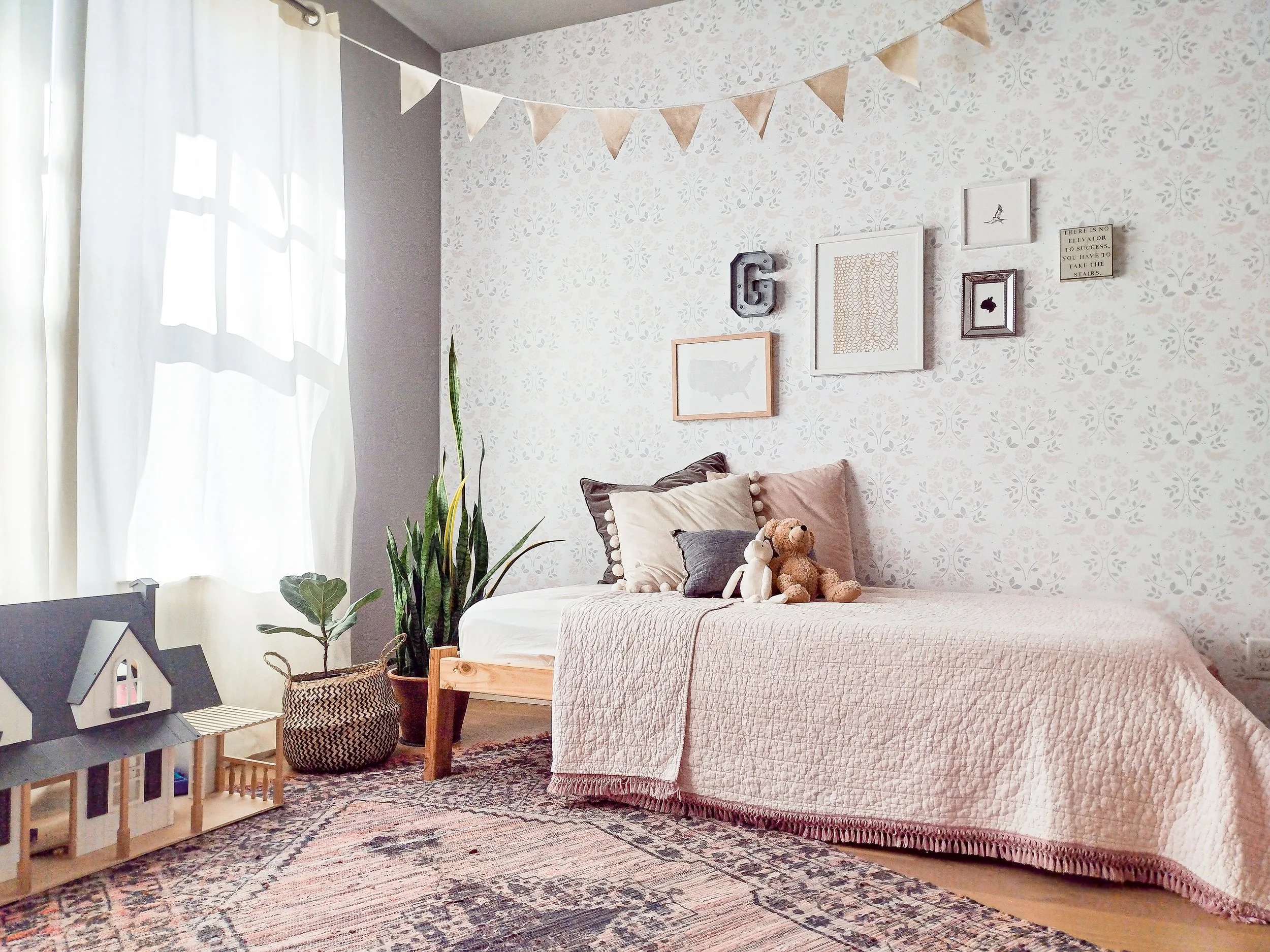
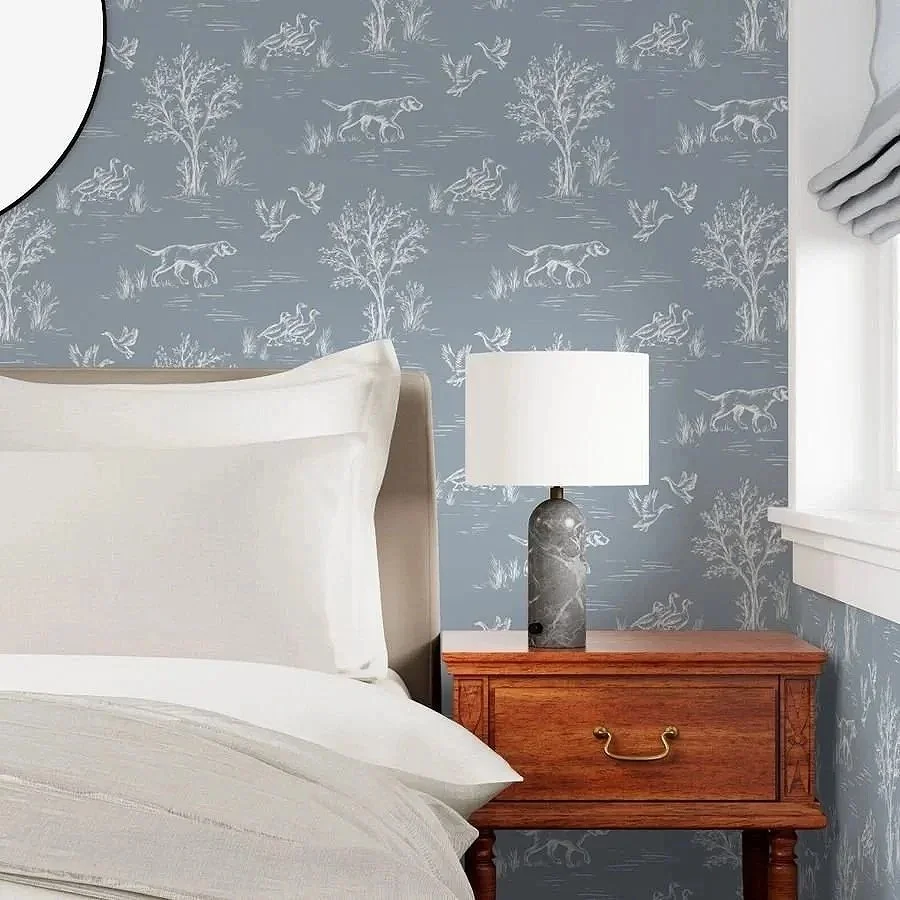
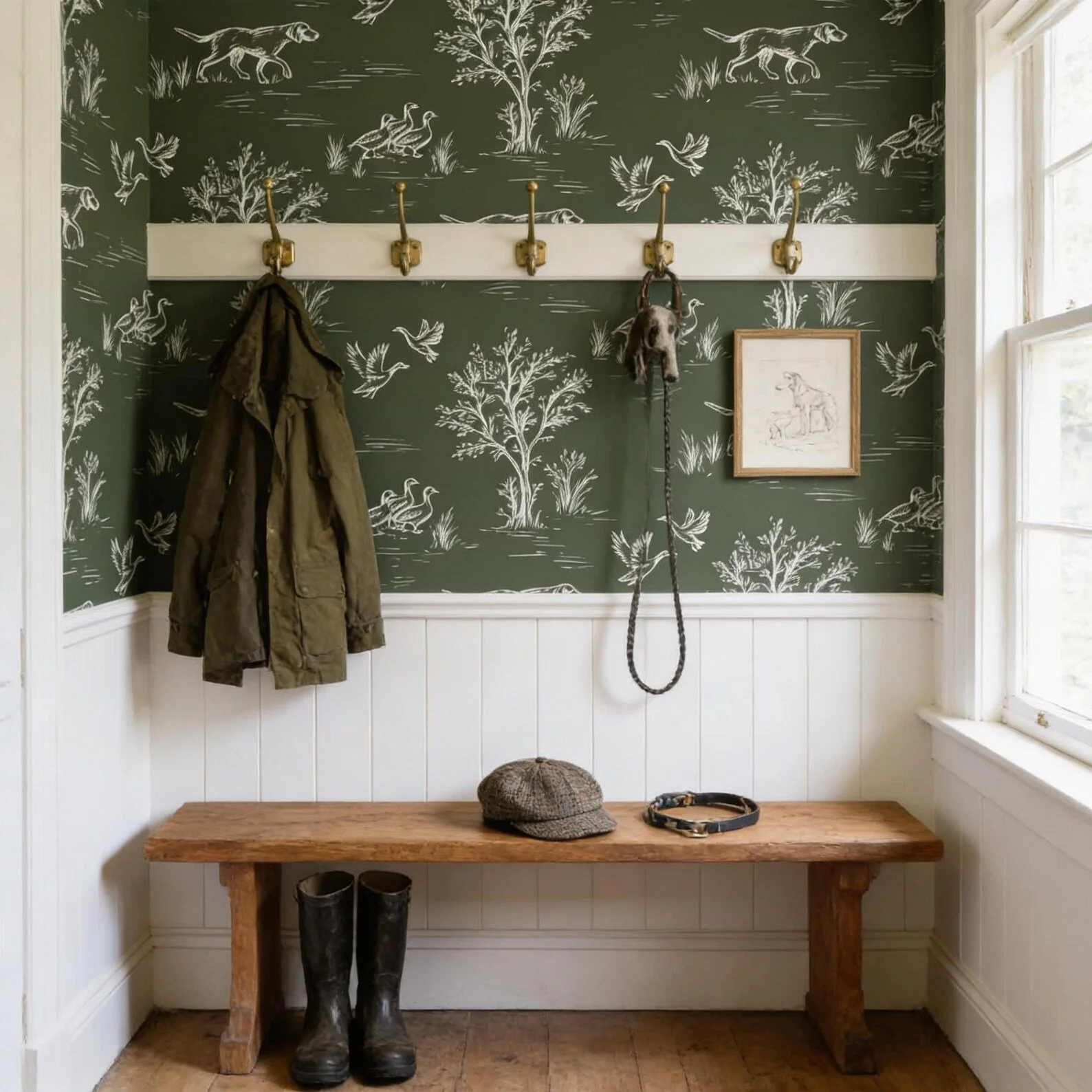
We couldn’t be more excited to share the latest designs we’ve created for nursery wallpaper & childrens room decor. These collections were created for Ayara Home, which is the fun & innovative new wallpaper company based out of American Fork, Utah.
Wallpaper is a great way to add creative visuals to any nursery or baby room. While nursery decor traditionally comes in the form of toys & accessories, modern parents are starting to take a more minimal approach when it comes to their child's room design.
A wallpaper company that gives back
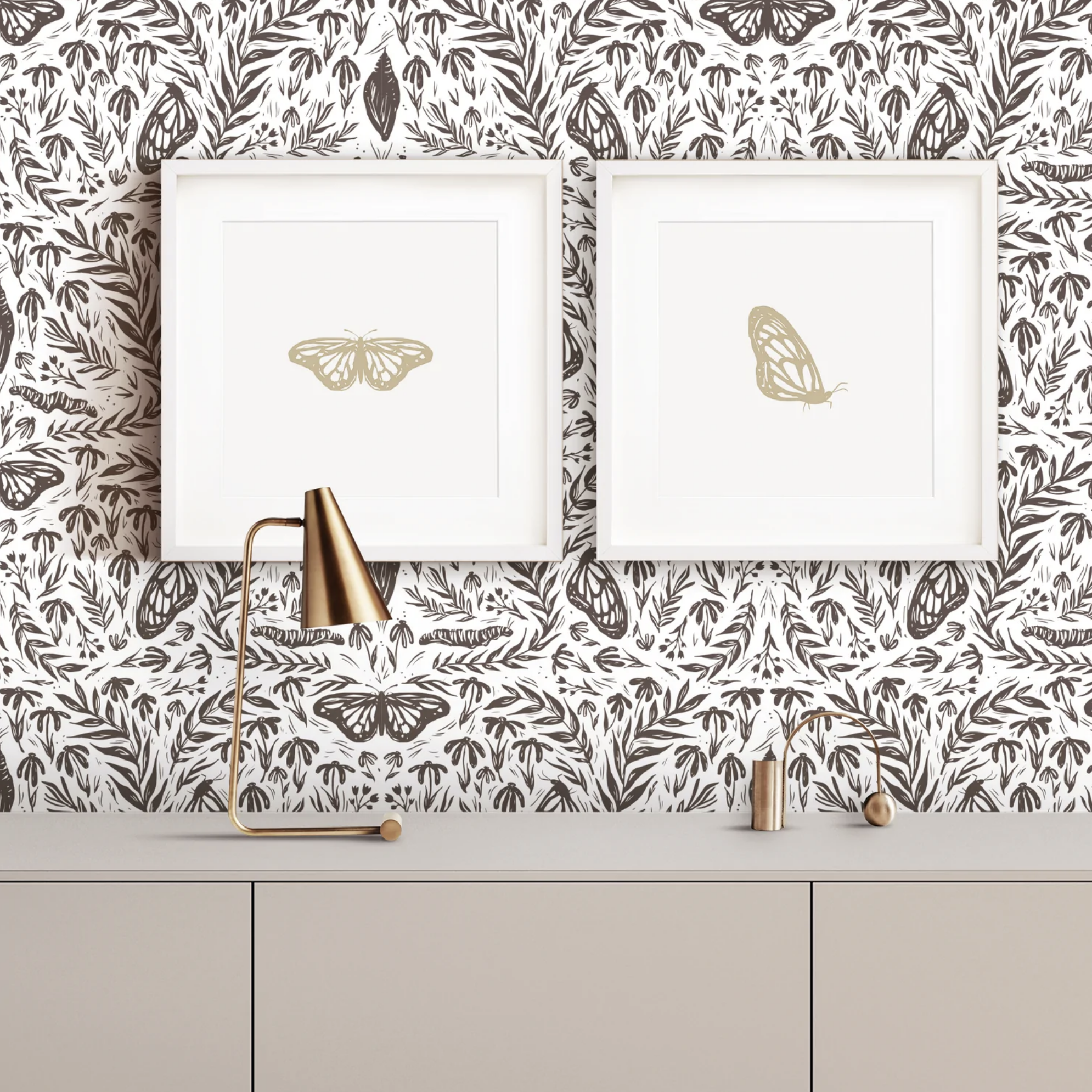
When Lori Frost of Ayara Home reached out asking if I’d like to design a collection (or two) for her new wallpaper company, I didn’t have to think twice about the answer. Ayara is a female-founded company that makes it an initiative to give back to their community on a regular basis. They work with artists around the world to bring a sense of peace & tranquility to your space.
While we all know wallpaper is a really fun way to decorate your space, before you take the leap, we’ve compiled a list of tips & tricks to help you make this a smooth & easy process.
Wallpaper tips & tricks:
Select the right type of wallpaper
Think about the color scheme
Choose a theme or pattern
Consider the room's size and shape
Determine the amount of wallpaper needed
Prep your walls, if needed
Check installation & maintenance tips
Choose the Right Wallpaper
The first step in decorating your space with wallpaper is to choose the right wallpaper. There are so many different types of wallpaper available, from traditional, floral prints to bold, geometric patterns, so it's important to choose a wallpaper that suits your personal style and the style of your space.
Think About the Color Scheme: The color scheme you choose for your nursery wallpaper can have a significant impact on the overall feel of the room. Soft pastels such as pale pink, blue, or beige are traditional choices for a baby's room. However, you can also experiment with bolder shades or neutral tones, depending on your preferences. You can use wallpaper to complement or contrast with other colors in the room.Choose a Theme or Pattern: Choosing a theme or pattern can add personality and visual interest to a nursery. Some popular themes include animals, flowers, and geometric shapes. You can choose a wallpaper with a bold, eye-catching pattern or a subtle, understated one, depending on your taste.
Personally, I’m a big fan of hand-drawn, woodland creatures & soft palettes that work well in nurseries & kids rooms, but you might have something completely different in mind.Consider the Room’s Size, Shape, & Lighting
When choosing nursery wallpaper, it's important to consider the size and shape of the room. For example, if you have a small nursery, choosing wallpaper with a large pattern could make the room feel even smaller. Alternatively, if you have a large nursery, you can opt for bold, statement-making designs.
If the nursery has an unusual shape, wallpaper can help create the illusion of a more balanced room. Smaller rooms can benefit from lighter colors and smaller patterns, while larger rooms can handle bolder prints and brighter colors.
Don’t forget about how much light your room gets, as a darker wallpaper pattern might become much too saturated if there isn’t much natural light in that space. The same goes for lighter prints - if your nursery or child’s room gets a ton of sunlight, you might choose a bolder color that won’t be too washed out during peak daylight hours.Determine the Amount of Wallpaper Needed
Once you've chosen your wallpaper, you'll need to determine how much you'll need. Measure the length and height of the walls you plan to cover with wallpaper, and then add an extra 10-15% to account for waste and pattern alignment. If you're not sure how much wallpaper to buy, most wallpaper companies have a calculator on their website that can help you determine the amount needed.
Prep the Walls
Before you start hanging wallpaper, you might need to prep your walls. Remove any old wallpaper, fill in any holes or cracks, and make sure the walls are clean and smooth(ish). If you're hanging wallpaper on a freshly painted wall, allow the paint to dry completely before hanging the wallpaper.
5. Choose the Right Adhesive
The type of adhesive you use will depend on the type of wallpaper you've chosen. For traditional paper wallpaper, you'll need to use a wallpaper paste. For self-adhesive wallpaper or peel-and-stick wallpaper, you won't need any additional adhesive. Make sure you follow the manufacturer's instructions for the type of adhesive you're using.
Practical Considerations: When choosing nursery wallpaper, it's essential to consider practical factors such as durability and ease of maintenance. Look for wallpapers that are easy to clean, as babies and young children can be messy. Also, consider how long you want the wallpaper to last and whether you plan to update it as your child grows.
6. Install Your Wallpaper
Installation and Maintenance Tips: Once you've chosen your nursery wallpaper, it's time to think about installation and maintenance. If you're not confident about hanging wallpaper, consider hiring a professional. Be sure to follow the manufacturer's instructions for installation and cleaning.
When hanging wallpaper, start in a corner and work your way outwards. Use a plumb line or level to ensure that the wallpaper is straight. Smooth out any air bubbles as you go, using a wallpaper smoothing tool or a credit card. If you're hanging patterned wallpaper, make sure to match the pattern as you go.
7. Finish Edges & Make Touchups
Once you've hung all of the wallpaper, you'll need to finish the edges. Use a sharp knife to trim any excess wallpaper at the top and bottom of the wall, and use a wallpaper smoothing tool to ensure that the edges are smooth and straight. The nice thing about peel and stick wallpaper is that it is usually fairly forgiving, allowing you to adjust each roll as necessary to fix any initial mistakes.
It sometimes takes a little trial and error to get your wallpaper lined up perfectly, but once it’s all said and done, you will be amazed at how much of an impact you’ve made simply by adding a little paper to your walls!
Why choose wallpaper for your nursery or child’s room?
Designing a nursery can be an exciting and overwhelming experience for any parent. From choosing the right crib to picking out the perfect color scheme, there are many important decisions to be made. One of the design elements to consider is the nursery wallpaper. Not only does it set the tone for the entire room, but it can also help stimulate your baby's development.
Wallpaper is an excellent choice for a nursery for more reasons than we can list. Not only is it available in a wide variety of designs, colors, and patterns, but wallpaper is also a great way to add visual interest and depth to a room, which can help stimulate your baby's visual development. Finally, it is a practical option as it is durable, easy to clean, and can be updated as your child grows.